
Neuroscience is in big trouble
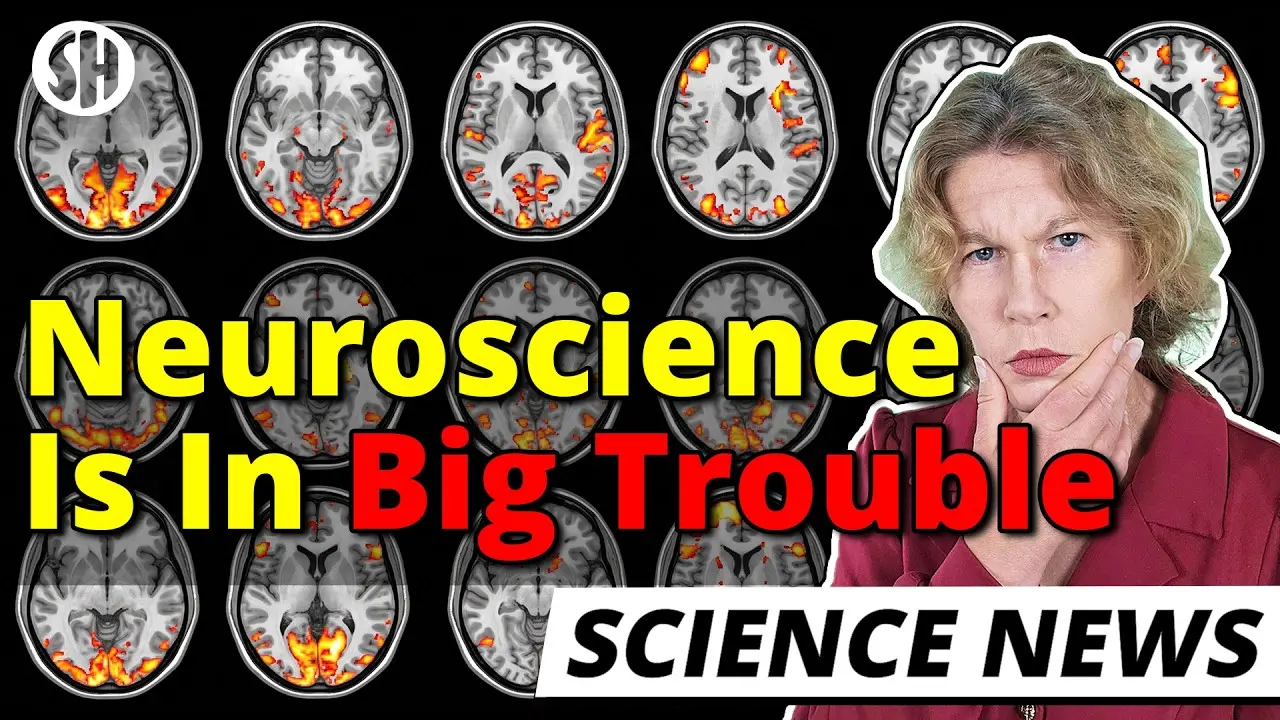
A new paper now says neuroscience assumptions are wrong for about 40% of the signals, and it isn’t the only recent study to find that a lot of what we… Read More »Neuroscience is in big trouble
A new paper now says neuroscience assumptions are wrong for about 40% of the signals, and it isn’t the only recent study to find that a lot of what we… Read More »Neuroscience is in big trouble
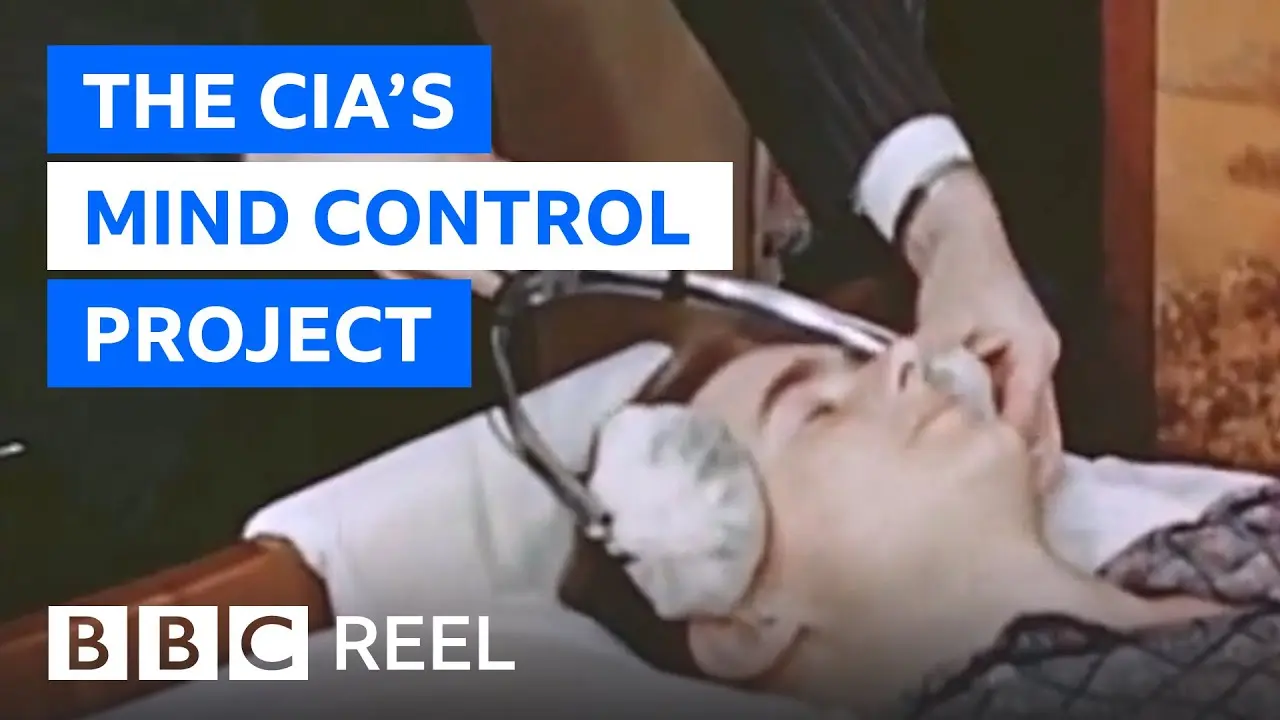
Psychiatric institutions across the United States and Canada were funded by the CIA to perform experiments on patients using psychedelic drugs, sensory deprivation, electroshock treatment and more. The programme was… Read More »MK-Ultra: The shocking Cold War psychiatric experiments hidden by the CIA

The Chemical Imbalance Theory of Mental Illness- A clear, historically grounded critique of one of modern psychiatry’s most commercially successful narratives.
Pharmaceutical industry sponsorship distorts clinical trial research and the medical literature.

For the release of its antidepressant Zoloft in the late 1990s and early 2000s, Pfizer orchestrated a ghostwriting program in which a medical communications company… Read More »Pharma Fraudulent Marketing – Zoloft – Ghost Writing
In the late 1990s/mid 2000s, Forest Laboratories illegally promoted its antidepressant Celexa (citalopram) for use in children and adolescents, even though it was only approved… Read More »Pharma False Science – Celexa

Still no validated causes, no cures, and no practical tools that actually help people labelled “mentally ill.”

In places that claim to offer care and healing for the mentally vulnerable, too many have instead found further violation.

The latest research from Australia delivers a stark, data-driven indictment of psychiatry’s primary “solution” for attention deficit hyperactivity disorder.

In this powerful Tucker Carlson interview, Laura Delano delivers a raw, firsthand indictment of modern psychiatry

In the Nineteenth century psychiatry promised a new dawn for mental health. Instead, it has delivered a perpetual night of symptom suppression, ever-expanding diagnoses, and a pharmaceutical profit machine that… Read More »Australia’s PBS Mental Health Script Explosion: 47+ Million Prescriptions and Still No Cures
The men of the Rockefeller Foundation were interested in using psychiatry as part of their plans for worldwide ‘mental hygiene’ (eugenics and biological psychiatry). They… Read More »More on the ‘psychiatry is scientific’ myth