
The Chemical Imbalance Myth of Depression – Another Lantern on Psychiatry’s Pharma-Driven Deception
For decades, the public has been told a simple, comforting story: depression is caused by a “chemical imbalance” in the brain — specifically low serotonin — and antidepressants like SSRIs “correct” it. This narrative has justified tens of billions in drug sales and millions of long-term prescriptions. Yet, as investigative journalism has repeatedly shown on this site, psychiatry’s foundational claims rarely rest on solid science. They rest on marketing.
In his clear and well-referenced video, Chris Kresser (M.S., L.Ac.) examines a major 2022 umbrella review by UK psychiatrist Dr. Joanna Moncrieff and colleagues. The findings are damning: there is no convincing evidence that depression is caused by low serotonin or any simple chemical imbalance. Studies show no reliable difference in serotonin levels between depressed and non-depressed people. The theory, long promoted as established fact, was never strongly supported by evidence.
Kresser, a clinician and educator in functional and ancestral health, has been challenging this myth since at least 2008. His video covers:
- How the chemical imbalance theory became cultural dogma despite weak evidence.
- The role of pharmaceutical marketing in perpetuating it.
- A message for those currently taking antidepressants.
- Alternative ways of understanding depression — focusing on inflammation, gut health, metabolism, nutrient status, stress, trauma, and lifestyle factors rather than symptom-masking drugs.
This directly echoes core findings in The Real Story of Psychiatry series here at Per Lanterna:
- No psychiatric “disorder” has been shown to have a known biological cause.
- Treatments remain symptom-suppressing, not curative.
- Commercial interests (pharma + psychiatry) have dominated the narrative, turning patients into repeat customers.
As Loren Mosher famously stated in his 1998 resignation from the American Psychiatric Association, psychiatry has been largely “bought out by the drug companies.” The chemical imbalance story is a textbook example of this influence — a convenient marketing slogan that filled the vacuum left by psychiatry’s failure to establish real science.
Why this matters: When psychiatry cannot find causes or deliver cures, it falls back on speculative biological theories that justify more drugs. Kresser’s functional medicine perspective offers a different path: look for root causes in the whole person and their environment, rather than assuming a lifelong brain defect requiring lifelong medication.
By Per Lanterna “Looking for an honest man” in the world of mental health.
The more light we bring, the less room there is for convenient myths that profit at the expense of real solutions and honest care.
Share this with anyone trapped in the chemical imbalance narrative. Real answers start with questioning the official story.
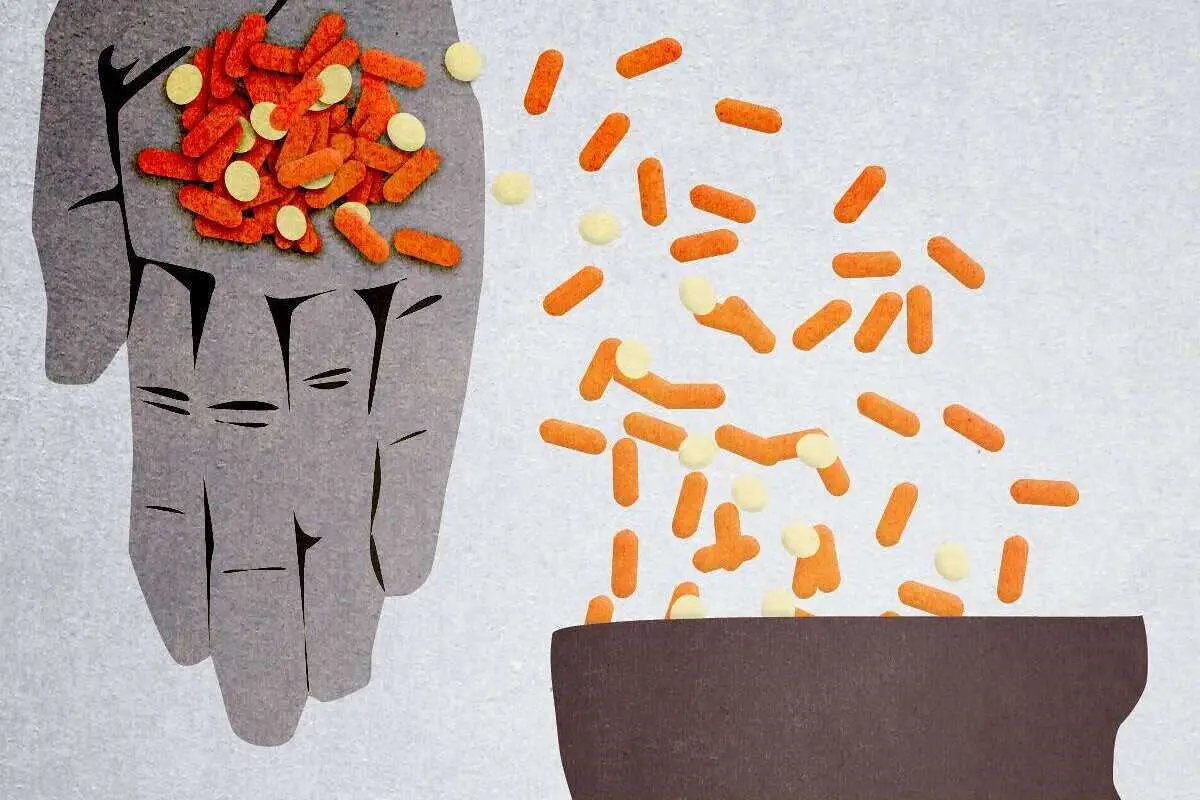
Chemical imbalance – psychiatry as a pharma marketing tool

3. Psychiatry’s lack of science masked by pharmaceuticals
Newsletter Signup
Signup for our newsletter and don't miss a step. Follow the lantern...