
Ghost Writing: How psychiatry polluted itself

Psychiatry has spent years trashing its own credibility by polluting its research record to the point it simply cannot be taken at face value.
Psychiatry has spent years trashing its own credibility by polluting its research record to the point it simply cannot be taken at face value.

“If we are to infiltrate the professional and social activities of other people I think we must imitate the Totalitarians and organize some kind of fifth column activity!”

Slippery slope? In the debates regarding euthanasia, you hear a lot about the “slippery slope”. Simply, this is where small steps are taken, and often… Read More »Euthanasia for the mentally ill – the slippery slope

Is there anything not influenced by money? To answer this question, if there is anything, it isn’t very important. Commercial interests, Big Pharma, and device… Read More »Commercial interests have captured mental health

Aktion T4 is the mass murder of the disabled and patients of psychiatric asylums by psychiatrists and the directors of the asylums.

Kraepelin bears responsibility for and helped set the stage for the mass murders of Aktion T4 and through his proteges provided the rationale and ‘scientific foundation’ for what became The… Read More »Emil Kraepelin – prelude to mass murder

What is it? You may have heard of “placebo” or the “placebo effect” in relation to drug trials where some of the participants were given… Read More »The placebo effect and why it really does matter
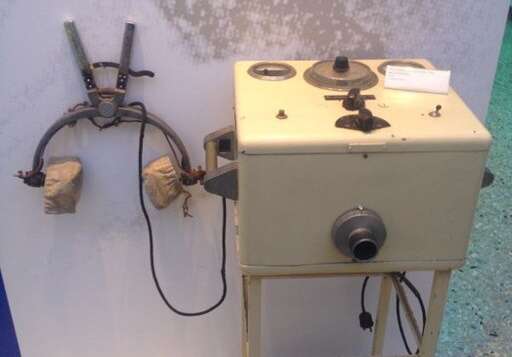
Cerletti observed that pigs being prepared for slaughter were given electroshocks across the temples and seizured but did not die.